
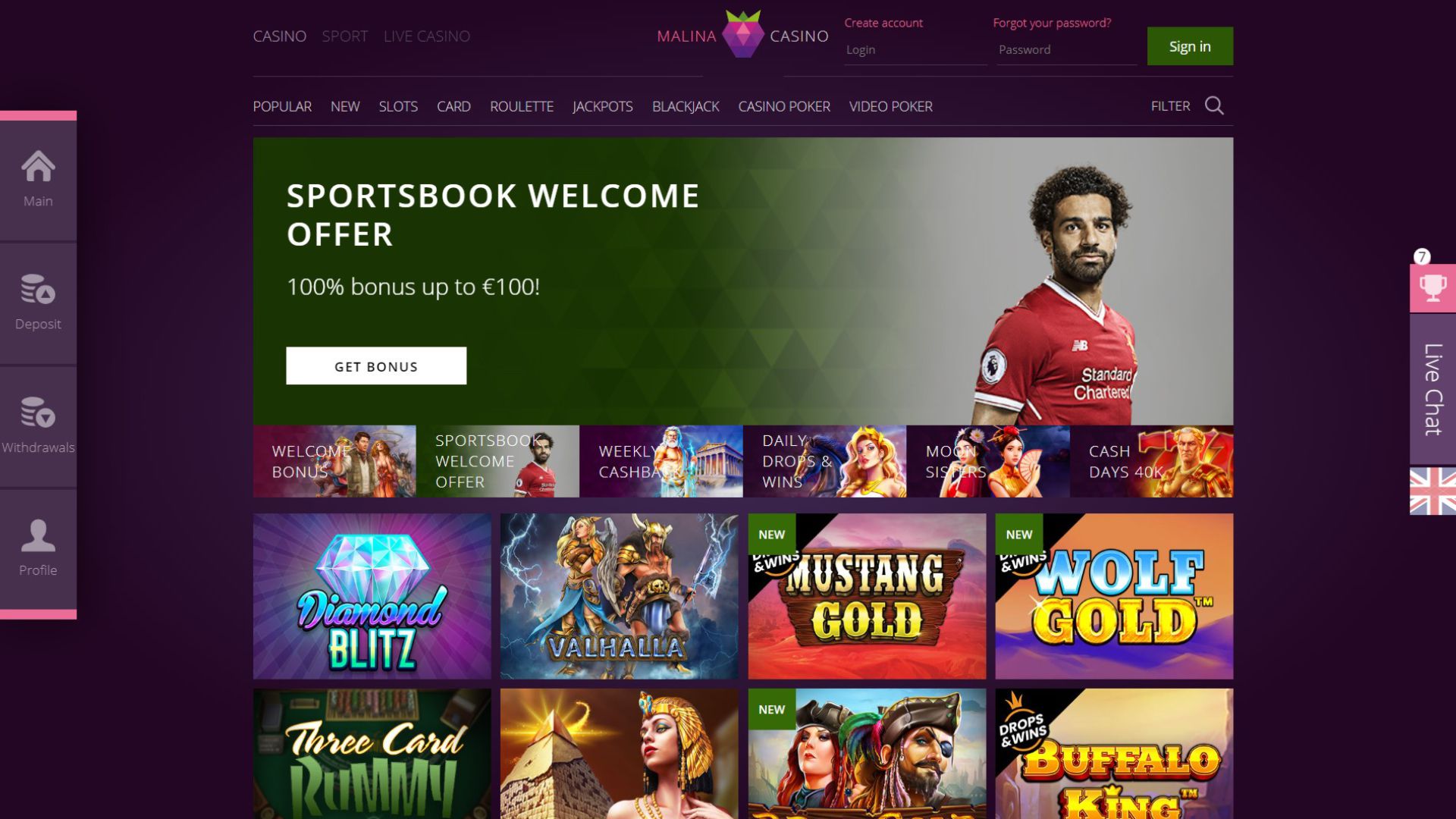
I’ve always thought that the best responsible gambling tools are the ones that give me real control over my own actions without ever seeming like a lecture https://malinabelgium.com/fr-be/responsible-gambling/. The account timeout feature at Malina Casino matches that description perfectly. It lets me step away from my account for a set stretch, knowing I won’t be able to log in, place a bet, or deposit a cent until the interval I selected has passed. I use it as a breathing pause, a deliberate pause that halts any pattern I’m uneasy with. The whole thing lives right inside my account settings and I can switch it on in seconds. No need to email support or explain myself. Here in Belgium, where the rules put a proper emphasis on player protection, having a tool like this available on demand actually has an impact. It’s not a punishment and it’s not a permanent ban. It’s a temporary, self-imposed break I can shape to my own needs. For me, it’s one of the most practical ways to keep my entertainment balanced and stop small lapses from snowballing into bigger problems.
Mixing Timeout with Other Responsible Gambling Tools
Deposit Limits and Session Reminders
The timeout feature gains more power when I combine it with additional responsible gambling tools sitting inside my account. I employ deposit limits all the time to cap how much cash I can deposit into my gaming wallet over a day, week, or month. When I enable a timeout, I often check those limits ahead of time or right after the break ends. The pause gives me clarity enough to modify the caps so they truly reflect what I can afford to spend on fun. Reality checks are another tool I employ alongside timeouts. They’re the pop‑up nudges that pop up mid‑session, showing how long I’ve been playing and how much I’ve spent. If I catch myself swiping those reminders away too hastily, I interpret it as a signal a timeout might be due. By combining these tools, I create a tailored safety system that helps me at different points. The timeout is my stop mechanism, while deposit limits and reality checks act as gentle taps on the shoulder that guide me before a full break becomes necessary.
Session Time Limits
Session time limits are another component I employ alongside the account timeout. I can establish a maximum length for any single gambling session, and once I reach it the platform logs me out. That’s a precautionary step, whereas the timeout is usually reactive. I’ve noticed that setting a session cap of, say, one hour reduces the chances I’ll need to use a timeout in the first place. Still, on days when even that limit appears too loose, or when I blow past the logout warning and log straight back in, the timeout offers a much stronger intervention. Having both tools means I’ve got a layered response to risky behaviour. I begin with a session limit. If that doesn’t stop me, I drop into a short timeout. If I clock a pattern of repeated timeouts, I start thinking about a longer cooling‑off stretch or even self‑exclusion. This layered approach gives me the feeling like I’m actively controlling my gambling instead of being steered by it.
Comprehending the Account Timeout Feature
Why I Recommend It
I endorse the account timeout because it takes off the weight of willpower off my shoulders exactly when I may feel drawn to chase a loss or drag a session past the point I’d planned. By flicking the timeout switch, I pass the decision over to a system that simply denies access. There’s no negotiation, no hidden override, and no way to undo the break before the duration I set runs out. That finality is what provides the feature its teeth. It creates a hard line my impulses can’t cross. Even a short timeout of a few hours can clear my head, letting me come back later with a clearer perspective and a healthier mood. I’m not admitting defeat when I use it, I’m just recognizing that gambling is entertainment, and entertainment sometimes calls for a pause. I also like that the timeout stands separate from other safer play measures, so I can depend on it by itself or as part of a wider personal safety net.

How It Fits into Safer Play
Safer play isn’t only about preventing harm; it’s about building habits that keep gambling a positive, controlled activity. The timeout feature slides right into that mindset because it enables me force a break without needing anyone else to step in. I can set a timeout after a big win, to stop myself from instantly reinvesting the lot, or before a weekend when I know I’m more likely to bet on emotion. Because the feature is embedded in my Malina Casino account, it works across every device. Whether I usually play on a desktop, tablet, or mobile, the timeout blocks me everywhere. That consistency is important a lot to me: it eliminates the loophole of just switching gadgets when the urge hits. It also fits neatly with the Belgian regulatory framework, which encourages operators to offer proactive, user‑friendly tools for self‑regulation. I see the timeout as a pressure valve, letting me release tension before it builds into something unmanageable.

Time Choices Available
Short Breaks
The timeout feature dishes up a set of brief options I can pick depending on how much breathing room I need. I can grab a break as quick as a few of hours, just enough to step away, eat something, take a walk, and come back with fresh eyes. A 24‑hour timeout is another common choice for me when I want to set a full day away from the casino. These short breaks aren’t centered on abstinence; they’re about interruption. They snap the rhythm of a session that might be moving from entertainment toward compulsion. I’ve observed that having very short timeouts available reduces the mental hurdle of actually employing the tool. I don’t have to pledge to a long absence. voir plus I just press pause, and that small act often halts bigger regrets before they start. The system shows the exact moment the timeout will expire, so I’m never left uncertain. That clarity helps me plan my return and reminds me that I’m still the one managing the schedule.
Lengthier Timeouts
When I spot that a deeper break is needed, the timeout feature also supports longer cooling‑off stretches. I can pick durations that span several days, weeks, or even up to a month. These longer timeouts do a different job. They’re not just about halting a single session in half; they’re about resetting my whole relationship with gambling over a meaningful period of time. I once set a week‑long timeout after recognizing I was signing in out of habit rather than genuine interest. During that week, the lack of access pushed me to occupy my hours with other things, and by the time the period ended, the automatic itch to gamble had noticeably faded. The longer options remain temporary, and that’s key. I know the break will conclude and I can go back, but only after I’ve had plenty of space to consider. The system manages every duration with the same seriousness: once set, they cannot be reduced or canceled. That consistency offers me real confidence that the tool will carry out exactly what it says, no matter the length I pick.
What Happens During a Timeout
Account Access and Notifications
Once a timeout is running, my account enters a limited mode I can feel instantly. I can’t log in, and if I try, I get a straightforward alert telling me a self‑imposed break is in progress and showing the specific date and time access returns. The tone is assertive yet courteous, and it highlights that this restriction is something I chose. While the timeout ticks on, I also cease receiving any advertising pushes from Malina Casino. Marketing emails, bonus offers, and push notifications are disabled automatically so I’m not inclined to take a look at the platform indirectly. I find that silence genuinely helpful because it strips away triggers that might otherwise make the wait feel tougher. The only mail I’ll see is the first confirmation message and, if I’ve opted in, a gentle reminder a little before the timeout runs out. That reminder is a considerate touch; it gives me room to get my head straight and decide whether to create updated limits, add another timeout, or even shift to self‑exclusion if I sense I need more distance.
Reactivation Once the Timeout Finishes
When the timeout period wraps up, my account won’t automatically log me back in or prompt me toward a game. Access just goes back to normal, meaning I can log in with my usual details whenever I’m ready. There’s no congratulatory banner, no welcome-back bonus waiting to hook me, and no pressure to leap straight back into playing. I respect that low‑key approach because it acknowledges the intent of the break. I can choose to log in and resume where I paused, or I can decide to spend more time away. If I do log in, I find it useful to look over my deposit and session history with a clear viewpoint. Often the timeout has given me enough distance to notice patterns I’d overlooked before. If the break didn’t feel like enough, I can right away set another timeout or explore longer‑term solutions like self‑exclusion. The easy, obstacle‑free way back to normal account status, without any pressure or betting encouragement, matches the responsible gambling principles I care about.
How Timeout Differs from Self-Exclusion
I sometimes run into confusion between the account timeout and self‑exclusion, but they fulfill quite different needs. A timeout is a short‑term, reversible break I control completely. I select the duration, and when it ends, my account goes back to normal without any extra hoops. Self‑exclusion, by contrast, is a longer‑term promise that usually blocks my account for a minimum of six months or more, and reactivation isn’t automatic. In Belgium, self‑exclusion can also connect with the national EPIS exclusion system, which applies the block across all licensed operators. The timeout is a personal tool restricted to my Malina Casino account. I reach for it when I need a breather, not when I think I need a permanent or semi‑permanent wall. That distinction is important because it allows me to fit my response to the severity of my situation. A timeout is like sealing the door for a while; self‑exclusion is more like replacing the locks. Both have their place, and I’m glad Malina Casino offers both on offer so I can pick the level of protection that suits my current needs without being channeled into a one‑size‑fits‑all answer.
How to Turn On Your Timeout
Step-by-Step Process
Turning on a timeout in my Malina Casino account is a simple process I can complete in under a minute. I just access my account, head to the responsible gambling section, which appears clearly labelled in the main menu, and then select the account timeout option. A basic form appears where I select the length I want. I verify my choice, and the restriction takes effect immediately. There’s no cooling‑off gap before the timeout starts; it’s live the second I confirm. I get an on‑screen confirmation, and a summary appears in my registered email as well. That email becomes a little record of my decision, noting the exact date and time the timeout will end. I find the whole process remarkably clear. No hidden steps, no phone calls, no waiting for an agent to approve anything. That sense of autonomy is a big reason I rely on the tool and turn to it whenever I need to withdraw for a while.
Immediate vs. Planned Activation
One aspect I really value is that I can initiate a timeout instantly, or I can line it up for a future moment if I’m planning ahead. Instant activation is my go‑to when I spot mid‑session that I’m no longer playing for fun. A couple of clicks and I’m blocked out straight away, session over. The scheduled option, on the other hand, works when I want to prepare for a stretch where I know I’ll be occupied or emotionally wrung out. For example, I might set a timeout to begin on a Friday evening and extend through the whole weekend. That forward‑looking move secures my time and my budget without asking me to make a smart call in the heat of the moment. Both paths lead me to the same result: a complete, non‑negotiable break from the platform. I enjoy that Malina Casino created the feature to manage both reactive and proactive habits, because responsible gambling never suits one mould.
Where to Access Additional Support
Even though the account timeout is a useful self‑help tool, I’m completely aware there are moments when professional support is the proper call. Malina Casino lays out direct links to agencies that focus in gambling‑related harm, and I’ve ensured getting to know those resources. In Belgium, I can contact services like the Gambling Commission’s information line or local treatment centres that offer confidential advice. I also maintain contact details for groups like Gambling Therapy and Gamblers Anonymous nearby, since they provide multilingual support and online forums where I can share experiences with people who get what I’m going through. The timeout feature doesn’t serve as a stand‑in for professional help, but it serves as a first step. If I see myself setting timeouts over and over and still struggling, that pattern indicates to me something important. It reveals to me I might need to make a call and talk to someone trained to help. I value that Malina Casino does not hide those support options in the small print. They’re clearly presented in the same responsible gambling area where I trigger my timeout, making the transition from self‑help to outside support quick and as free of stigma as possible.
The account timeout feature at Malina Casino is, for me, one of the most direct and considerate ways to keep a balanced approach to online gambling. It hands me the power to halt my account on my own terms, with a variety of durations that encompass everything from a quick breather to a weeks‑long reset. I can initiate it instantly, I know exactly when it will lift, and I can mix it with deposit limits, reality checks, and session time limits to establish a safety net that fits my life. The tool is positioned next to self‑exclusion as a softer, temporary alternative, and it links naturally to outside support resources when I need more than a break. By using it deliberately, I protect my time, my money, and my peace of mind, all without ever sensing judged or boxed in beyond what I’ve chosen for myself.