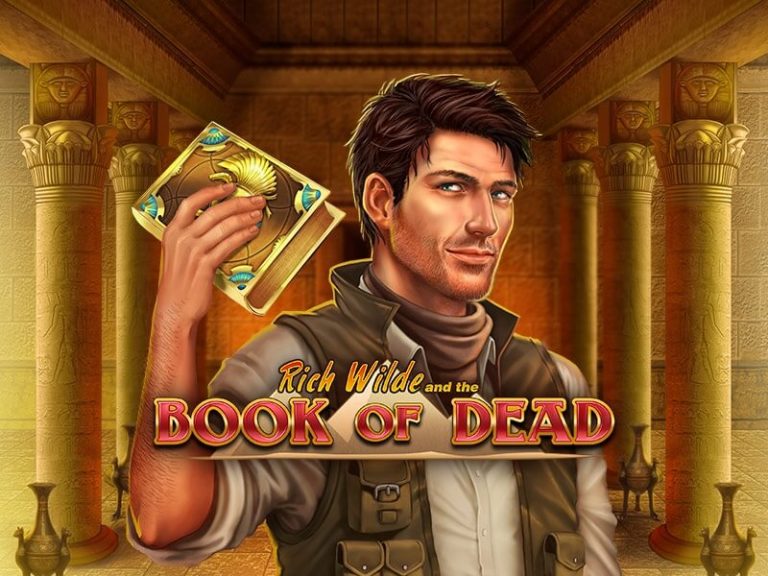
When I first started exploring online slots, Book of Dead, the concept of paylines felt like the only way to win. You match symbols from left to right across a fixed number of lines, and if they match, you get paid. That model controlled the industry for decades, but a quiet revolution began when developers started asking a simple question: what if we threw away the lines entirely? Cluster pays systems respond to that question by rewarding players whenever a group of matching symbols touches horizontally or vertically anywhere on the grid. This shift changes not just how wins form but also the rhythm of gameplay, the design of bonus features, and the entire feel of a slot session. In this article, I will break down exactly how cluster pays mechanics operate, which games showcase them best, what volatility and return-to-player ranges you can expect, and how to approach these titles as a player. Whether you are completely new to the concept or looking to deepen your understanding, I want to give you a clear, practical picture of everything that makes cluster pays systems different.
What exactly a Cluster Pays System Actually Means
A cluster pays slot abandons the traditional payline structure in favor of a grid-based win condition. Instead of requiring symbols to land on a specific line, you must have a group of identical symbols that are adjacent to each other, either horizontally or vertically. The minimum cluster size is generally between four and six matching symbols, based on the game, and larger clusters deliver progressively higher payouts. This fundamental change signifies that every spin can produce wins in multiple areas of the grid simultaneously, producing a more dynamic and visually engaging experience. The grid itself is commonly larger than the classic 5×3 layout; you will frequently see 7×7, 8×8, or even larger configurations. Because there are no paylines, the number of possible winning combinations is practically unlimited, which allows developers to build games with extremely high volatility and massive win potential without the constraints of a fixed line count.
What I find particularly interesting is how the cluster pays concept alters player psychology. In a payline slot, you watch the reels spin and hope for symbols to align on a specific path. With cluster pays, your eye scans the entire grid for groups forming anywhere, which makes every spin feel more open-ended. The absence of lines also signifies that the bet per spin is normally a single total stake rather than a bet per line, easing the wagering process. You choose your total bet, and any cluster that meets the size threshold rewards according to the paytable. This streamlined approach appeals to players who find traditional line-based slots overly mechanical or who simply want a different kind of anticipation. It is worth noting that not every game that uses a grid is a cluster pays slot; some use ways-to-win or scatter-pays mechanics that are similar but have distinct rules, so I always check the game’s help file to confirm the exact win conditions.
In what manner Cluster Pays Mechanics Function in Practice
Grid Layout and Symbol Clusters
The essence of any cluster pays game is the grid, which typically ranges from 5×5 up to 9×9 or beyond. Symbols fall onto the grid from above, and after they land, the game checks whether any matching symbols are connected. A connection is valid only if symbols touch along the four cardinal directions; diagonal touches generally do not form part of a cluster unless a specific game rule states otherwise. When a cluster of sufficient size appears, those symbols are removed from the grid, and new symbols cascade down to fill the empty spaces. This cascading mechanism is a defining feature of the cluster pays genre and often leads to chain reactions where one win triggers another, and another, all from a single paid spin. The cascades persist until no new winning clusters form, at which point the spin officially ends and the total win is calculated.
Tumbling Reels and Chain Reactions
The cascading feature is what gives cluster pays slots their distinctive pace. Unlike a traditional spin where the reels stop and that is your result, a cluster pays spin can develop over several seconds as symbols tumble, clusters explode, and new symbols fall into place. Each cascade is in effect a free additional chance to win, and many games increase a multiplier with each successive cascade during a single spin sequence. This multiplier growth can lead to massive payouts, especially during free spins where the multiplier does not reset between spins. I have seen games where the multiplier climbs to 10×, 20×, or even higher after a long chain of cascades, turning a modest initial cluster into a significant win. The cascading mechanic also combines with special symbols like wilds and scatters, which can appear during any cascade and further extend the sequence.
Bonus Features Exclusive to Cluster Pays Games
Bonus Spins with Growing Multipliers
The most frequent bonus feature in cluster pays slots is a free spins round, and it is frequently where the game’s biggest potential resides. Different from traditional free spins that just run through a set number of spins, cluster pays free spins frequently include a progressive multiplier that increases with every cascade. In some games, this multiplier starts at 1× and rises by 1× after each winning cascade, and it does not reset until the feature ends. This means that if you can initiate a long chain of cascades, the final spins can produce enormous sums. I have seen free spins rounds where the multiplier reached 50× or more, transforming even a small cluster into a substantial win. The free spins are typically triggered by landing a certain number of scatter symbols across the grid, often three or four, and additional scatters during the feature can retrigger extra spins.
Wilds, Sticky Wilds, and Large Symbols
Wild symbols in cluster pays games often behave differently than in line-based slots. Instead of just standing in for other symbols on a payline, a wild can become part of any adjacent cluster, seamlessly completing clusters to create larger groups. Some games introduce sticky wilds that persist on the grid during cascades, dropping with the falling symbols until they are part of a winning cluster and then being removed. Giant symbols, which occupy a 2×2 or 3×3 area, are another frequent element; when they land, they can instantly form large clusters or break apart into smaller symbols after a win. These elements enhance tactical play and anticipation because the presence of a well-placed wild or giant symbol can be the difference between a dead spin and a cascade chain that triggers the bonus round. I always search for games that use wilds creatively because they significantly enhance the depth of the cluster pays mechanic.
The transition from pay lines to cluster pays
The move from traditional paylines to cluster payouts did not happen in a single day. For years, slot makers tested ways-to-win structures, such as 243 ways or 1,024 ways, which did away with the requirement to bet on single lines but still relied on left-to-right adjacent matching symbols. Cluster pays advanced that freedom a step further by removing directional requirements altogether. The first major commercial hit with this system was NetEnt’s Aloha! Cluster Pays, introduced in 2016, which used a 6×5 grid and needed clusters of nine or more matching icons. That game proved that players were open to a radical shift from line-based thinking, and it cleared the path for an entire sub-category. Since then, developers like Play’n GO, Push Gaming, and Relax Gaming have developed entire series around cluster pays features, each introducing their own unique touches.
What drove this evolution was partly the desire to develop slots that felt more like relaxed mobile titles. The visual show of symbols disappearing and new ones falling is inherently satisfying, and it mirrors the mechanics of popular match games. Additionally, cluster pays structures allow for more creative bonus features because the grid is a more flexible playfield than a set of reels. Developers can add giant symbols, mystery symbols that transform, or grid-specific bonuses that impact specific rows or columns. This creative liberty has led to a rapid growth of the cluster pays segment, and today it is one of the most lively and innovative segments of the online slot market. I believe this movement will persist as companies vie to deliver the most captivating grid-based experiences.
Výplatní poměr and Kolísavost in Klastrové Slots
Výplatní procenta hodnoty in klastrových games zpravidla spadají do the podobném pásmu as klasické automaty, obvykle v rozmezí 94% and 97%, though I neustále ověřím the konkrétní game’s nápovědu neboť RTP can vary by region or nastavení kasina. What činí cluster pays slots jinými is their volatility profile. Because wins are formed by clusters na libovolném místě on a rozsáhlé ploše, the hit frequency can be dosti častá, with drobné skupiny objevující se often. However, the skutečně vysoké výplaty come from dlouhé řetězové reakce and navršování násobičů, které jsou ojedinělé. This vytváří a vysoce kolísavý zážitek při němž you might see časté malé výnosy that keep your balance ticking over, punctuated by příležitostné obří výhry that can přesáhnout tisíce násobků your vklad. Some klastrové games, jako například Jammin’ Jars by Push Gaming, are proslulé for their extrémní volatilita and win potential převyšující 20,000× the sázka.
When I evaluate a cluster pays slot, I pay close attention the maximální strop výhry and the stated volatility rating. Many moderní tituly openly display a skóre volatility, často on a stupnice of 1 to 5 bleacherreport.com or 1 to 10, uvnitř the game’s nabídka nápovědy. Vysoce kolísavé cluster pays games can experience long dry spells where cascades nedokáží propojit into významné shluky, so řízení bankrollu becomes crucial. On the druhou stranu, medium-volatility options například Aloha! Cluster Pays nabízejí a vyváženější rytmus that vyhovuje delší hraní with a pravidelnější tok of střední výhry. The RTP alone nikdy neříká the úplný obraz; a game with 96% RTP and extrémní volatilita will hrát se velmi odlišně from one with the shodné procento and nízká volatilita. I vždy doporučuji playing a pár set spinů in zkušební režim to pochopit for the rozptyl before vsadíte skutečné peníze.
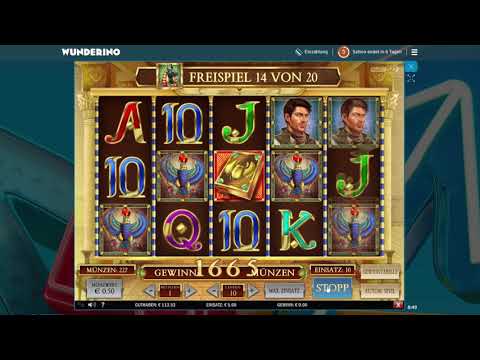
Famous Cluster Pays Slots and Their Providers
Jammin’ Jars and the Push Gaming Style
Push Gaming’s Jammin’ Jars is one of the most famous cluster pays slots, set on an 8×8 grid with a fruit and disco theme. It requires clusters of five or more matching symbols and offers a cascading multiplier that rises with each win. The standout element is the giant wild jar symbol, which shifts to a random adjacent position after each cascade and holds its own multiplier that grows when it participates in wins. During the free spins feature, these jars can achieve multipliers of 100× or more, and multiple jars can join their multipliers for staggering payouts. The game’s maximum win is 20,000× the stake, and its high volatility has turned it a favorite among players who appreciate the thrill of chasing massive cascade sequences. I appreciate how the moving wild adds a spatial puzzle element that holds every cascade tense.
Reactoonz and the Play’n GO Universe
Play’n GO’s Reactoonz series, including the original Reactoonz and its sequels, uses a 7×7 grid filled with quirky alien creatures. Wins are built by clusters of five or more matching symbols, and each win charges a quantum meter that can unleash various modifiers like symbol destruction, transformation, or extra wilds. The game does not feature a traditional free spins round; instead, the cascading wins and meter charges create a continuous flow of features within the base game. This structure keeps the action constant and makes every spin feel connected to a larger progression system. The volatility is high, and the maximum win potential is approximately 4,570× the bet. I deem Reactoonz particularly engaging because the meter system adds a meta-layer of strategy where you watch the charge build and foresee which modifier will trigger next.
How to Master Cluster Pays Slots Successfully
Playing a cluster pays slot is easy from a technical standpoint, but there are a few helpful steps I always follow to get the most out of the gameplay. First, I check the game’s paytable and rules screen to determine the minimum cluster size, because it can differ from four to nine symbols. I also review the symbol values so I know which symbols to cheer for during cascades. Next, I choose my total bet amount; since there are no paylines, you simply choose a total stake per spin. I usually start with a modest bet to assess the game’s volatility and observe how frequently the cascades trigger. Many cluster pays slots allow you to modify the bet in small increments, so you can scale up or down easily. I also search for any autoplay or turbo spin options if I want to hasten the base game, though I choose to play manually during bonus rounds to savor the tension.
Bankroll management is particularly important with cluster pays games because the high volatility can lead to prolonged periods without substantial wins. I determine a session budget and divide it into sufficient spins to allow the game a fair chance to unveil its features. I also consider the game’s hit frequency and maximum win cap; understanding that the top payout demands a perfect sequence of cascades and multipliers enables me maintain expectations realistic. Demo mode is an invaluable tool here. I always dedicate time playing for free before wagering real money, since it enables me grasp the flow of cascades, how often the bonus round triggers, and if the game’s rhythm suits my personal preference. Once I am comfortable, I move to real play with a clear plan and a stop-loss limit. This structured approach guarantees that I appreciate the unique thrill of cluster pays slots without allowing the volatility determine my decisions.
Cluster pays systems embody a genuine evolution in slot design, moving beyond the rigid framework of paylines to create a smoother and interactive form of play. The combination of grid-based wins, cascading reels, and progressive multipliers creates a gameplay rhythm that appears distinctly modern and frequently more engaging than traditional slots. explore the site While the high volatility prevalent to these games requires careful bankroll management, the potential for massive chain-reaction wins makes compelling for players who enjoy depth and visual spectacle. My advice is to start with a well-known title like Jammin’ Jars or Reactoonz in demo mode, study how the clusters form and how the features interconnect, and then decide whether the mechanic matches your playing style. Once you understand the system, you will likely find that cluster pays slots offer some of the most memorable moments found in online gaming today.